Former US President Donald Trump has once again revived his controversial proposal to acquire Greenland, claiming that the move would bring “millions in strategic and economic benefits” to the United States. The renewed remarks have triggered sharp reactions from European leaders and reignited a global debate on sovereignty, geopolitics, and Arctic security.
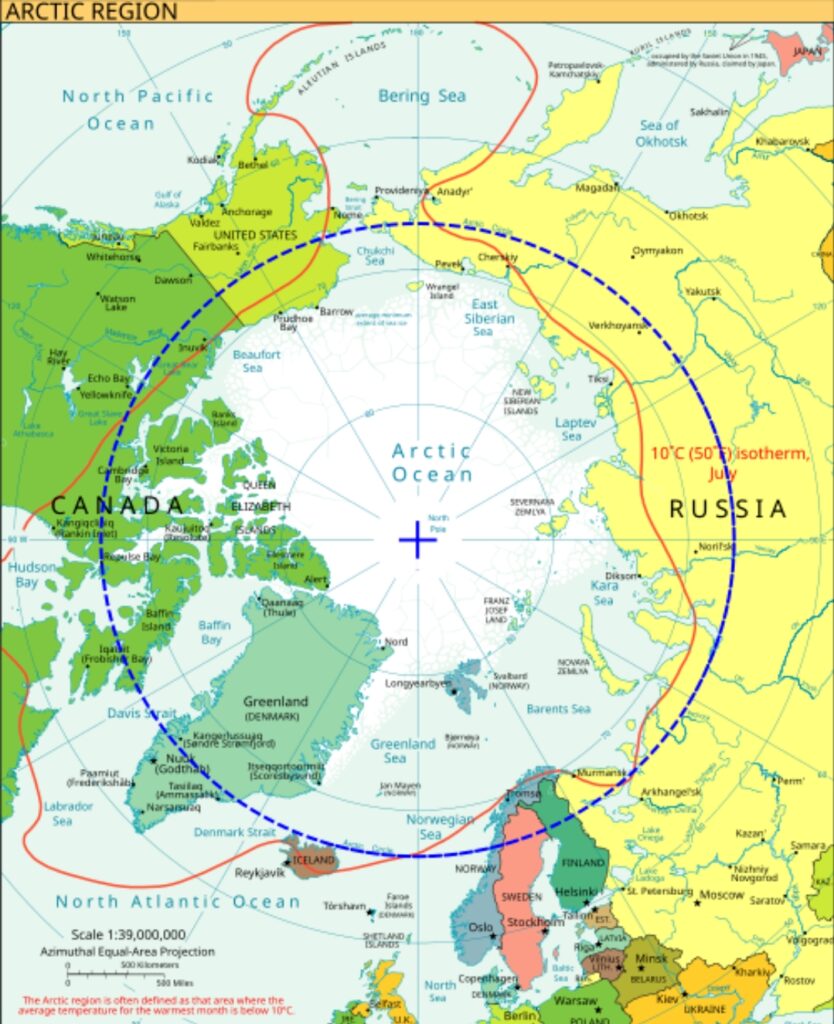
Speaking during a recent political interaction, Trump argued that Greenland’s strategic location in the Arctic and its vast reserves of rare earth minerals, oil, and natural resources make it critical for US national interests. He claimed that American control over Greenland would strengthen defense capabilities, boost economic returns, and counter growing influence from rival global powers in the Arctic region.
🌍 Strong International Pushback: Denmark, which governs Greenland as an autonomous territory, firmly rejected the idea, reiterating that Greenland is not for sale. Greenland’s leadership also dismissed the proposal, emphasizing the island’s right to self-determination and political autonomy.
European Union officials and Nordic countries expressed concern, warning that such statements undermine international norms and territorial sovereignty. Analysts say the renewed push could strain transatlantic relations at a time when cooperation on climate change, security, and global trade is critical.
❄️ Why Greenland Matters : Greenland has gained increasing global attention due to:
•Melting Arctic ice opening new shipping Route
•Large reserves of rare earth elements vital for clean energy and defense Technology
•It’s strategic military importance near the Arctic Circle
Experts note that while economic interests are significant, any acquisition without consent would violate international law and established diplomatic principles.
🔎 Global Implications political observers believe Trump’s remarks are aimed at reinforcing his “America First” foreign policy narrative, but caution that such rhetoric could escalate geopolitical tensions in the Arctic, a region already witnessing increased activity from the US, Russia, and China.As of now, there has been no official move by the US government toward negotiations, and the proposal remains politically symbolic rather than actionable.